
Last week, Netflix announced it’s acquiring Warner Bros. Discovery’s studio and streaming assets — including HBO Max — in a landmark cash-and-stock deal worth US$72 billion. Pending a planned spin-off of Warner’s global networks (to form a separate firm), the transaction would fold major film and television franchises under Netflix’s roof.
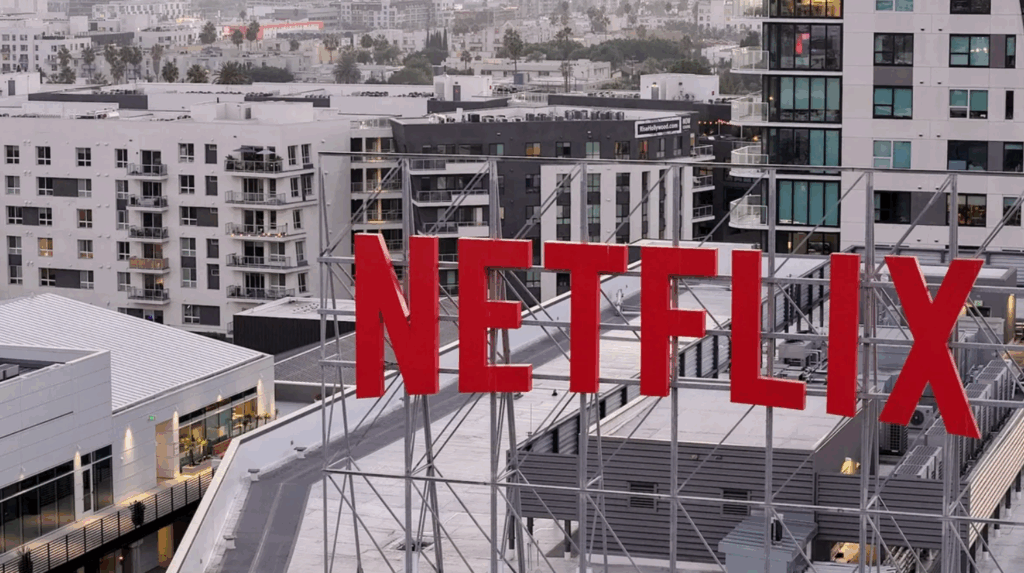
This merger would unite Netflix — home to hits such as Stranger Things and Squid Game — with a studio empire that includes storied intellectual property from DC Comics, HBO productions, and other blockbuster franchises.
From a business perspective, the stakes are high: analysts estimate that the combined entity could claim as much as 10 % of total U.S. TV viewing, and generate in the ballpark of US$2.3 billion in advertising revenue. For Netflix, the acquisition represents a pivot — reinforcing its expansion strategy into advertising, supported by its growing ad-supported subscription tier and first-party ad-tech tools.
That said, this isn’t just about boosting Netflix’s library. The deal signals a major consolidation in the media world, potentially hastening the decline of legacy studios that haven’t adapted quickly to streaming — especially those struggling to compete with scale, IP depth, and ad revenue potential.
If regulatory approvals go through, this union could mark one of the final chapters in the old-model Hollywood ecosystem. For viewers, it may mean more content under a single service — with benefits in accessibility and convenience. But for the industry at large, it raises important questions about diversity of content, creative independence, and the balance of power in entertainment